
Exosome Skin Booster in Korea: What It Does, and What It Doesn't — Dr. Min Jeong
A quick hello before we begin
Hello, I'm Dr. Min Jeong, founding director of REDI Dermatology in Seoul. "Exosome skin booster" is one of the search terms I'm asked about most by international patients — and also one of the most misunderstood. There's a lot of excitement online, and not all of it is grounded. So in this article I want to walk you through what an exosome skin booster actually is, what it can realistically help with, what it doesn't do, and how to plan it around a trip to Korea. Please read to the end — the "what it doesn't do" section matters as much as the rest.
What an exosome skin booster actually is
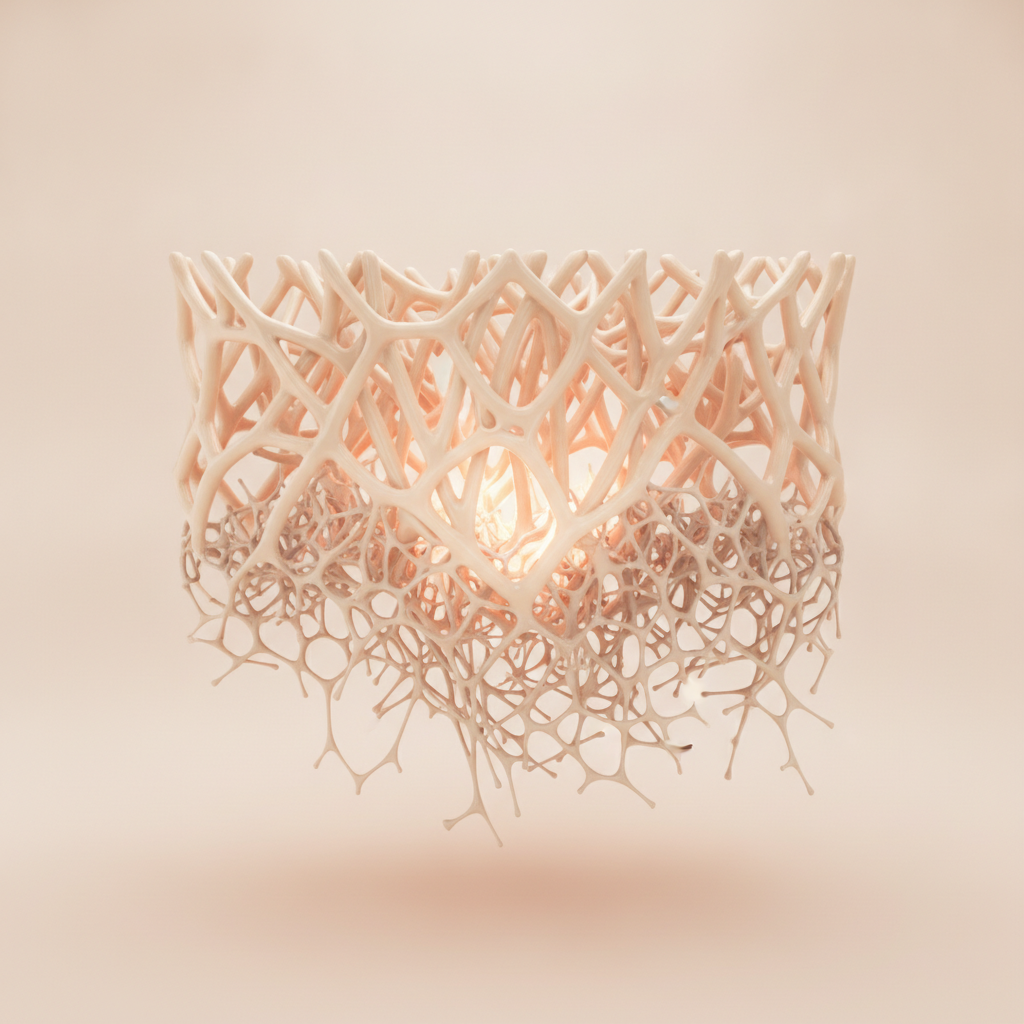
Exosomes are tiny vesicles — think of them as messenger packages — that carry signaling molecules between cells. The ones used in an exosome skin booster come from stem-cell cultures, and they're delivered into the skin to support cell-to-cell communication and the skin's natural renewal environment.
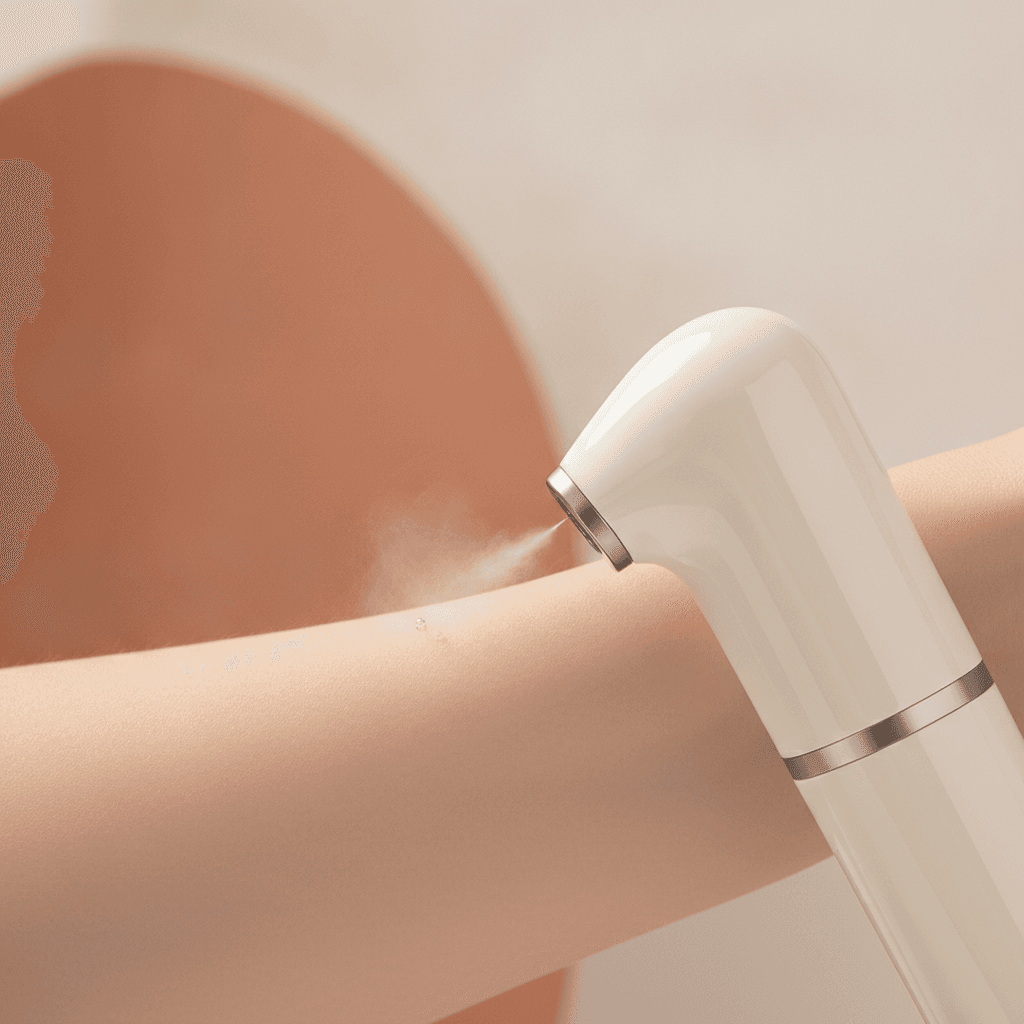
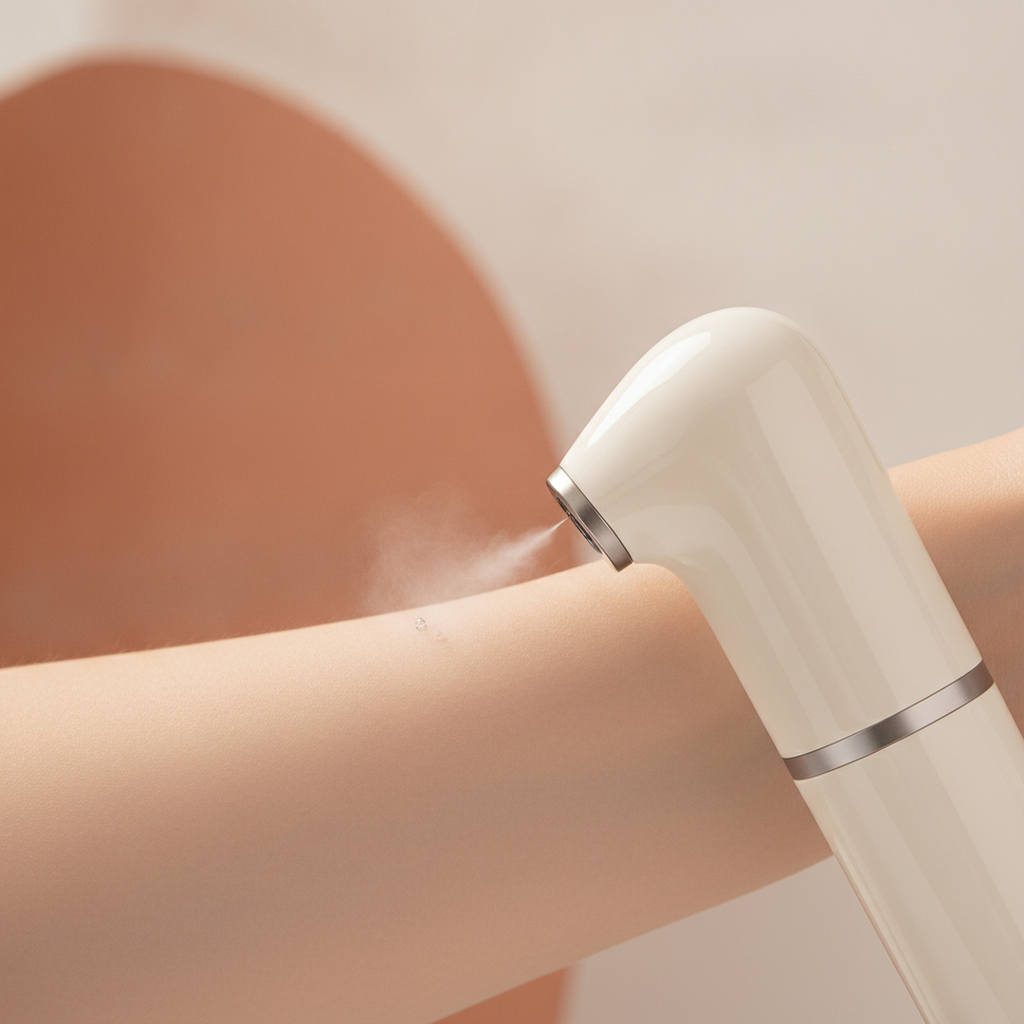
That last phrase is important. An exosome booster is not a filler and it's not a collagen-building product in the way some other boosters are. It works more like a support system: it's used to manage texture, tone, hydration, and the skin barrier together. At REDI, we often deliver it via microneedling so the exosomes reach the right depth in the skin.
What it can realistically help with
In my practice, patients who do best with an exosome skin booster tend to be looking for overall skin condition rather than one dramatic change. Specifically, it's used to help with:
- Overall texture and glow
- Tone and a more even, radiant look
- Hydration and the feeling of a calmer, better-supported skin barrier
I want to be honest here: results vary by individual, and this is an elective, non-insured aesthetic treatment. If you're expecting a lift or added volume, an exosome booster is not the tool for that job — we'd talk about different options at your consultation.
Exosome vs. Rejuran vs. Juvelook: how I choose
This is the question that comes up in almost every consultation, so let me lay it out plainly, the way I explain it in my office:
- Exosome skin booster — focuses on cell-to-cell signaling, overall skin condition, and glow.
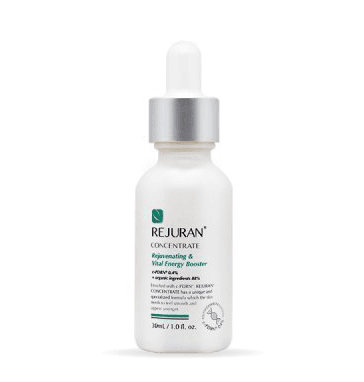
- Rejuran Healer — a PN (polynucleotide) skin booster that leans toward soothing the skin barrier and managing texture and hydration, especially for sensitive or stressed skin.
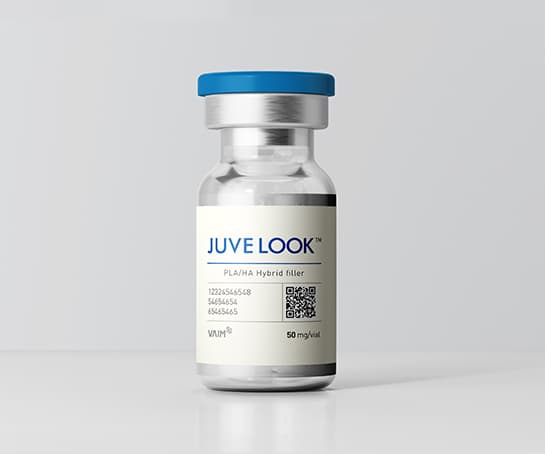
- Juvelook — a PDLLA collagen booster that stimulates your own collagen for firmness, pores, fine lines, and a more rebuilt texture over time.
They are genuinely different tools with different goals. The point is not "which is best" — it's which fits your skin. Sometimes the answer is a combination, and we decide that only after diagnosing your skin. This diagnosis-first approach is at the heart of how I work; I'd rather match the treatment to you than fit you into one fixed answer.
What an exosome booster does not do
Because the online buzz sometimes gets ahead of the science, here's my plain-spoken list:
- It does not lift or tighten sagging — that's the territory of energy-based devices.
- It does not add volume like a filler.
- It is not a one-and-done miracle. Skin condition treatments generally reward a considered plan over time, and we'll map that out together.
Being clear about this up front is, honestly, part of my job. I'd rather you arrive in Seoul with accurate expectations than a wish list.
Downtime and a simple travel timeline
Exosome skin booster downtime is minimal — typically about a day. When we deliver it via microneedling, mild redness is possible but usually settles quickly. For international patients planning around flights, here's a realistic frame:
- Day 0 (treatment day): About 20–30 minutes in-clinic. Possible mild redness afterward, especially if microneedling is used.
- Day 1: Redness typically eases. Most patients feel comfortable being out and about.
- Day 2–3 onward: Skin generally back to routine.
Because the recovery burden is low, an exosome booster is one of the more travel-friendly treatments — it can fit even a short trip. That said, everyone's skin reacts a little differently, so I always confirm the specifics with you.
A note for patients with deeper skin tones
Many of my international patients have skin in the Fitzpatrick IV–VI range and quite reasonably worry about irritation or post-inflammatory pigmentation. An exosome skin booster is generally low-irritation, and when we use microneedling delivery we adjust the depth and technique carefully. This is exactly why we diagnose first and tune the approach to your skin rather than running a fixed protocol on everyone.
The practical side: language, cost, and aftercare
You won't be navigating this alone. We have English- and Chinese-speaking interpreters on site, and as the director I'm involved from consultation through treatment. If you're flying in, you can message us on WhatsApp beforehand for an online consultation, so we can talk through your goals before you even book a flight.
On cost: pricing for an exosome skin booster — and whether we'd suggest combining it with another booster — is discussed transparently at your consultation, since the right plan depends on your skin. And once you're back home, we stay reachable for online follow-up if any questions come up.
Takeaways
- An exosome skin booster delivers stem-cell-culture-derived exosomes to support the skin's renewal environment — helping with texture, tone, hydration, and the skin barrier. Results vary by individual.
- It is not a lift, not a filler, and not a single-session miracle. Expectations matter.
- Exosome, Rejuran, and Juvelook are different tools for different goals — and can sometimes be combined. We choose after a diagnosis.
- Downtime is minimal (about a day; mild redness if microneedling is used), making it travel-friendly for a short Korea trip.
- REDI is diagnosis-first, with on-site interpreters and online aftercare for international patients. This is an elective, non-insured aesthetic treatment.
Frequently asked
How is an exosome skin booster different from Rejuran or Juvelook?
Exosomes focus on cell-to-cell signaling and overall skin condition and glow. Rejuran leans toward the skin barrier and texture, while Juvelook stimulates collagen and volume. We choose or combine them by goal, and suggest the right fit for your skin at consultation. Results vary by individual.
Does the exosome skin booster hurt?
We apply numbing cream or cooling when needed to keep discomfort low. Sensation varies by person, and we tune the area and intensity together during your consultation. When it's delivered via microneedling, mild redness for about a day is possible.
How much downtime should I expect?
Downtime is minimal — about a day. If we deliver the exosomes via microneedling, mild redness may occur but usually settles quickly. This makes it manageable even on a short trip to Korea.
How do I know if this treatment is right for me?
REDI is diagnosis-first. We review your skin condition, lifestyle, and goals, then suggest the most suitable approach rather than fitting you to one fixed answer. You can check freely in a no-cost online consultation before you fly in.

Dr. Min Jeong
Founding director, REDI Dermatology · Seoul
“A treatment isn’t shopping. I’d rather diagnose first and recommend only what your skin genuinely needs — the same way I’d advise my own family.”
Board-certified dermatologist — trained at Kangbuk Samsung Hospital, and former Chief of Dermatology at the ROK Ministry of National Defense.
Recognized by VAIM as Korea's highest-volume Juvelook injector, with 15,000+ vials of hands-on experience; KOL for MIRAJET, Potenza and Oligio.
A regular speaker on clinical dermatology at Korean medical symposiums, including Juvelook clinical-experience panels.
Why international patients choose REDI
What makes the trip easier — and why patients trust us with their skin.
Interpreters in the room, not just on chat
Chinese- and English-speaking interpreters are on site for your consultation and treatment, so you understand every option and decide with full confidence.
Treated by the top 2% of doctors
Every procedure is performed by board-certified dermatology specialists — among the top 2% of Korean physicians — never by unsupervised staff.
A leading Juvelook clinic
With 15,000+ Juvelook vials of hands-on experience, our key doctors have refined the technique most clinics are still learning.
Airport pickup, arranged for you
We can set up a pickup so your very first day in Seoul isn't spent lost with luggage.
Aftercare doesn't end at the airport
We follow up online once you're home, so a question a week later still reaches your doctor.
Explore the treatment
Exosome Skin Booster
A skin booster that delivers exosomes — messenger vesicles from stem-cell cultures — into the skin to support cell-to-cell signaling and the skin’s renewal environment. Used to manage texture, tone, and the skin barrier.
Rejuran Healer & Rejuran HB Plus
Rejuran Healer, a tissue-regenerating substance derived from salmon, is injected to effectively renew damaged skin. If you're sensitive to pain, Rejuran HB Plus — which contains lidocaine — offers a more comfortable treatment.
Medically reviewed by Dr. Min Jeong, board-certified dermatologist · Last updated July 7, 2026
This article is general information, not medical advice. Results vary by individual. These are elective, non-insured aesthetic treatments. Please consult a board-certified doctor about your own case.