
Hyperpigmentation Treatment in Korea: A Dermatologist's Realistic Guide for International Patients
A Note From Me Before We Begin
Hello, I'm Dr. Min Jeong, and I founded REDI Dermatology here in Seoul. Hyperpigmentation is one of the most common concerns I hear about — whether it's melasma, sun spots, or the stubborn marks left behind after a breakout. It's also one of the most misunderstood, and I've watched too many people spend money on the wrong treatment for their particular pigment. So if you're considering hyperpigmentation treatment in Korea, I'd like you to read to the end. I'll walk you through what's realistic, how we think about it, and what matters especially if you're flying in from abroad.
What "Hyperpigmentation" Actually Means
Hyperpigmentation is an umbrella term. It covers melasma, freckles and sun spots, dullness, and the darker marks that can linger after acne or inflammation. These are not all the same problem — some pigment sits shallow near the surface, while some sits deeper in the skin. That distinction is everything, because a treatment that works beautifully for one type can be a waste of time and money for another.
One thing I say often to my patients: pigment treatment is not shopping. Choosing a device because a friend loved it, or because it's the newest or most expensive, is how people end up frustrated. The face stays the same and only the wallet gets thinner. That's why at REDI we start with diagnosis, not a menu.

Why Diagnosis Comes First at REDI
REDI is diagnosis-first. Before I suggest anything, I review your skin condition, your lifestyle, and your goals — then I recommend an approach suited to you, rather than fitting you into one fixed answer. Some pigment is best approached one way; other pigment needs a different tool entirely, or a combination.
I'll give you an honest example from my own practice. When I treat pigment, I often think of deeper, denser pigment like a large stone and shallower tone concerns like fine detail work — you need the right tool for each. Reaching for a delicate instrument to break up something dense simply wastes time. This is exactly why I don't believe in one-size-fits-all pigment protocols, and why a proper consultation matters more than picking a trendy machine.
How We Approach Pigment and Skin Environment
At REDI, pigment care is rarely just about the pigment. The skin around it — its hydration, its barrier, its overall texture and tone — affects how well pigment settles and how likely it is to come back. So we often think in terms of two goals at once: addressing the pigment itself and supporting a healthier skin environment.
A couple of the gentler tools I use for texture, hydration, and tone illustrate this well:
- LDM uses high-frequency ultrasound vibration to soothe the skin and support its hydration and texture environment. It's also useful for calming stressed skin or supporting recovery after other treatments, with little pain and almost no downtime.
- Ionzyme uses microcurrent and ultrasound to support ingredient absorption and skin-environment care, helping with texture, hydration, and tone with low irritation and minimal downtime.
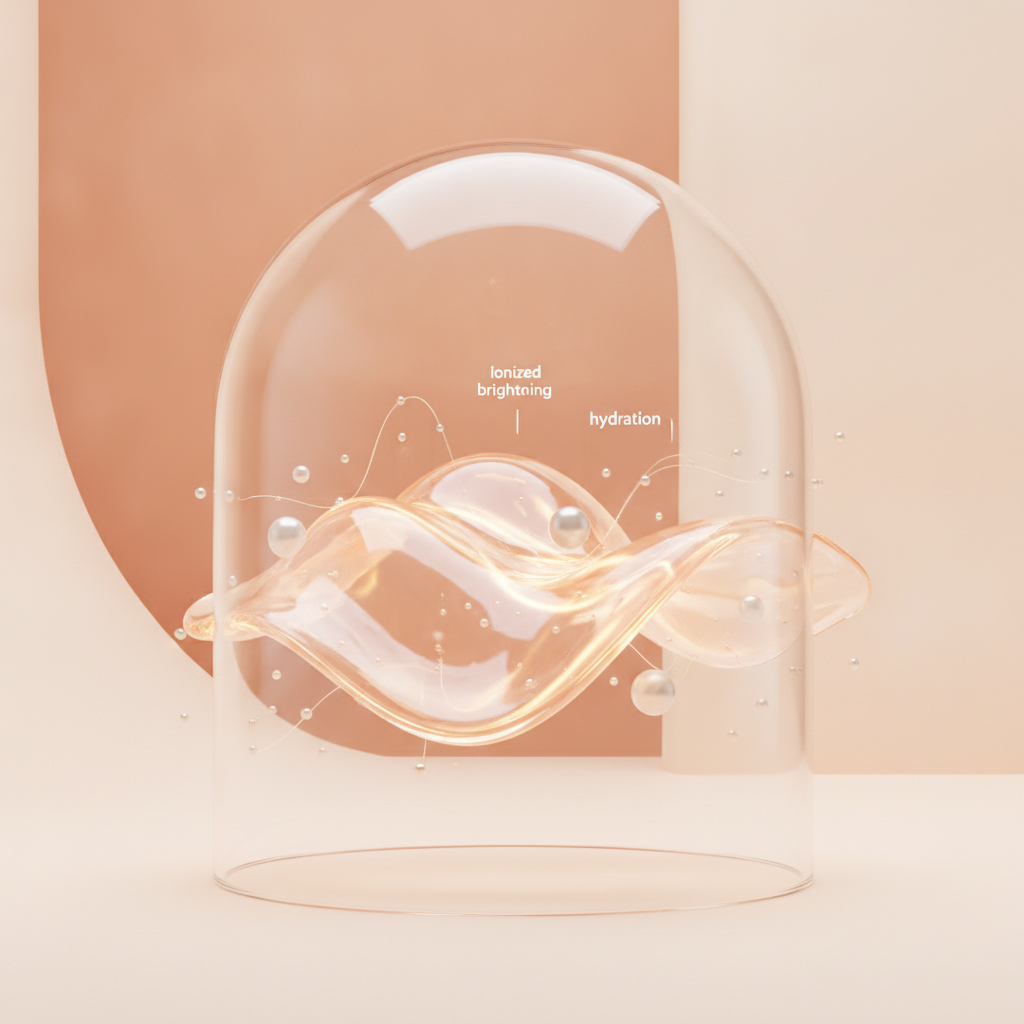
Neither of these is a magic eraser — I want to be plain about that. Their value is in supporting the skin so that pigment care works in a healthier context. What combination suits you, and whether these are used alone or alongside another treatment, is something we decide together after your diagnosis. Results vary by individual, and this is elective, non-insured aesthetic care.
Hyperpigmentation and Darker Skin Tones
This section matters a great deal, and I want international readers to hear it clearly. If you have a deeper skin tone — Fitzpatrick IV through VI — pigment treatment requires more caution, not less. Skin with more melanin can be more prone to rebound pigmentation if energy settings are too aggressive. That's not a reason to avoid treatment; it's a reason to be treated by someone who diagnoses your skin type first and adjusts intensity accordingly.
At REDI we routinely see patients across a wide range of skin tones, and the answer is never a fixed setting applied to everyone. It's careful, conservative planning tuned to your skin. If anyone promises to "erase" your pigment quickly regardless of your skin type, I'd gently encourage caution.
What to Expect: A Realistic Timeline
I won't give you guaranteed numbers, because pigment simply doesn't work that way. But here's how I frame expectations honestly:
- Sessions: Many pigment concerns respond gradually over a series of sessions spaced a few weeks apart. Some pigment — particularly deeper types — needs patience, and some needs ongoing maintenance rather than a one-time fix.
- Downtime: The gentler approaches like LDM and Ionzyme have little to no downtime. Device-based treatments may involve brief redness for a day or two.
- Results: Improvement tends to be gradual. Steady, natural progress is what I aim for — subtle, not overdone.
Results vary by individual, and I'll always be straightforward with you about what's realistic for your specific pigment during your consultation.
Planning Around Your Trip to Korea
For those flying in, I know the calendar is the real anxiety. Here's how I'd have you think about it:
- Day 0 (treatment day): Gentle pigment-supporting treatments typically let you return to daily life right away.
- Day 1–2: Any mild redness from device work usually settles.
- Week 1 onward: For a series-based plan, we discuss whether to space sessions during a longer stay or continue with remote guidance after you fly home.
We have English- and Chinese-speaking interpreters on site, and you can start a video consultation with us on WhatsApp before you even book a flight. I personally handle consultation through treatment, so you won't be handed off to strangers. We also offer airport pickup and online aftercare once you're back home — so if a question comes up weeks later, you can still reach us. Pricing is discussed transparently during your consultation.
Takeaways
- Hyperpigmentation is not one condition — melasma, sun spots, and post-acne marks each need a different approach, so diagnosis comes first.
- At REDI we treat pigment alongside the skin's overall environment (hydration, texture, tone), often using gentle tools like LDM and Ionzyme in a plan built for you.
- Darker skin tones (Fitzpatrick IV–VI) require careful, conservative energy settings to avoid rebound pigmentation.
- Expect gradual, realistic progress over a planned series — not an instant erase. Results vary by individual, and this is elective, non-insured care.
- International patients get on-site interpreters, pre-trip video consults, airport pickup, and remote aftercare, all with me involved from consultation to treatment.
If any of this sounds like your concern, message us and just mention you found us through the blog — your first online video consultation is free, and we'll talk through your skin in your language before you commit to anything.
Frequently asked
How many sessions does hyperpigmentation treatment usually take?
It varies by skin type and the depth of the pigment. Some concerns respond over a series of sessions spaced a few weeks apart, while others need ongoing maintenance. At REDI we plan the number only after a diagnosis, because results vary by individual.
Is pigment treatment safe for darker skin tones?
Darker skin (Fitzpatrick IV–VI) needs careful energy settings because more aggressive treatment can trigger rebound pigmentation. We diagnose your skin type first and adjust intensity accordingly. This is elective, non-insured aesthetic care.
How much downtime should I expect?
It depends on the approach. Gentle options like LDM and Ionzyme have little to no downtime, while device treatments may involve brief redness for a day or two. We map this to your travel schedule during consultation.
Can you treat pigment and skin texture at the same time?
Often yes. We frequently pair a pigment-focused approach with a soothing or hydrating treatment to support recovery. The combination is decided by diagnosis, not a fixed formula.
Do you offer follow-up after I fly home?
Yes. We provide online aftercare so you can check in with us remotely and reach out if you have any concerns once you are back home.

Dr. Min Jeong
Founding director, REDI Dermatology · Seoul
“A treatment isn’t shopping. I’d rather diagnose first and recommend only what your skin genuinely needs — the same way I’d advise my own family.”
Board-certified dermatologist — trained at Kangbuk Samsung Hospital, and former Chief of Dermatology at the ROK Ministry of National Defense.
Recognized by VAIM as Korea's highest-volume Juvelook injector, with 15,000+ vials of hands-on experience; KOL for MIRAJET, Potenza and Oligio.
A regular speaker on clinical dermatology at Korean medical symposiums, including Juvelook clinical-experience panels.
Why international patients choose REDI
What makes the trip easier — and why patients trust us with their skin.
Interpreters in the room, not just on chat
Chinese- and English-speaking interpreters are on site for your consultation and treatment, so you understand every option and decide with full confidence.
Treated by the top 2% of doctors
Every procedure is performed by board-certified dermatology specialists — among the top 2% of Korean physicians — never by unsupervised staff.
A leading Juvelook clinic
With 15,000+ Juvelook vials of hands-on experience, our key doctors have refined the technique most clinics are still learning.
Airport pickup, arranged for you
We can set up a pickup so your very first day in Seoul isn't spent lost with luggage.
Aftercare doesn't end at the airport
We follow up online once you're home, so a question a week later still reaches your doctor.
Explore the treatment
Medically reviewed by Dr. Min Jeong, board-certified dermatologist · Last updated July 7, 2026
This article is general information, not medical advice. Results vary by individual. These are elective, non-insured aesthetic treatments. Please consult a board-certified doctor about your own case.