
Skin Resurfacing Near Me: A Seoul Dermatologist's Guide to Choosing the Right Treatment
When you search "skin resurfacing near me," here's what I want you to know first
Hello, I'm Dr. Min Jeong, the founding director of REDI Dermatology in Seoul. If you've been typing "skin resurfacing near me" into a search bar — whether you're already living in Korea or planning to fly in — you're probably tired of rough texture, enlarged pores, or old acne scars that makeup can't quite hide. I completely understand that fatigue, and I'd gently ask you to read to the end, because the honest answer to "which resurfacing should I get?" is more nuanced than any single device name.
The mistake I see most often is patients picking a treatment by its reputation rather than by their own skin. At REDI we work the other way around: we diagnose first, then choose. Let me walk you through what "skin resurfacing" actually means, which option tends to fit which concern, and how to plan the downtime around a trip to Seoul.
What "skin resurfacing" really means
"Skin resurfacing" isn't one machine — it's a whole category. Broadly, it covers treatments that renew the skin's surface and stimulate the deeper layers to rebuild collagen, so that pores look smaller, scars soften, and texture becomes smoother over time.
At REDI, the resurfacing family includes:
- Laser resurfacing — a Fractional Picosecond Laser, which creates microscopic channels within the skin to stimulate collagen and soften scars while also addressing pigment and dullness. There's also Ultra Clear, a cold-ablative laser designed to refine surface texture, pores, and mild scars with relatively low thermal burden.
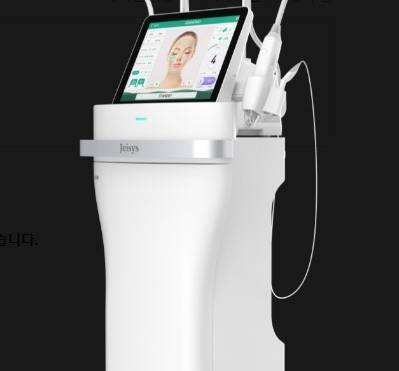
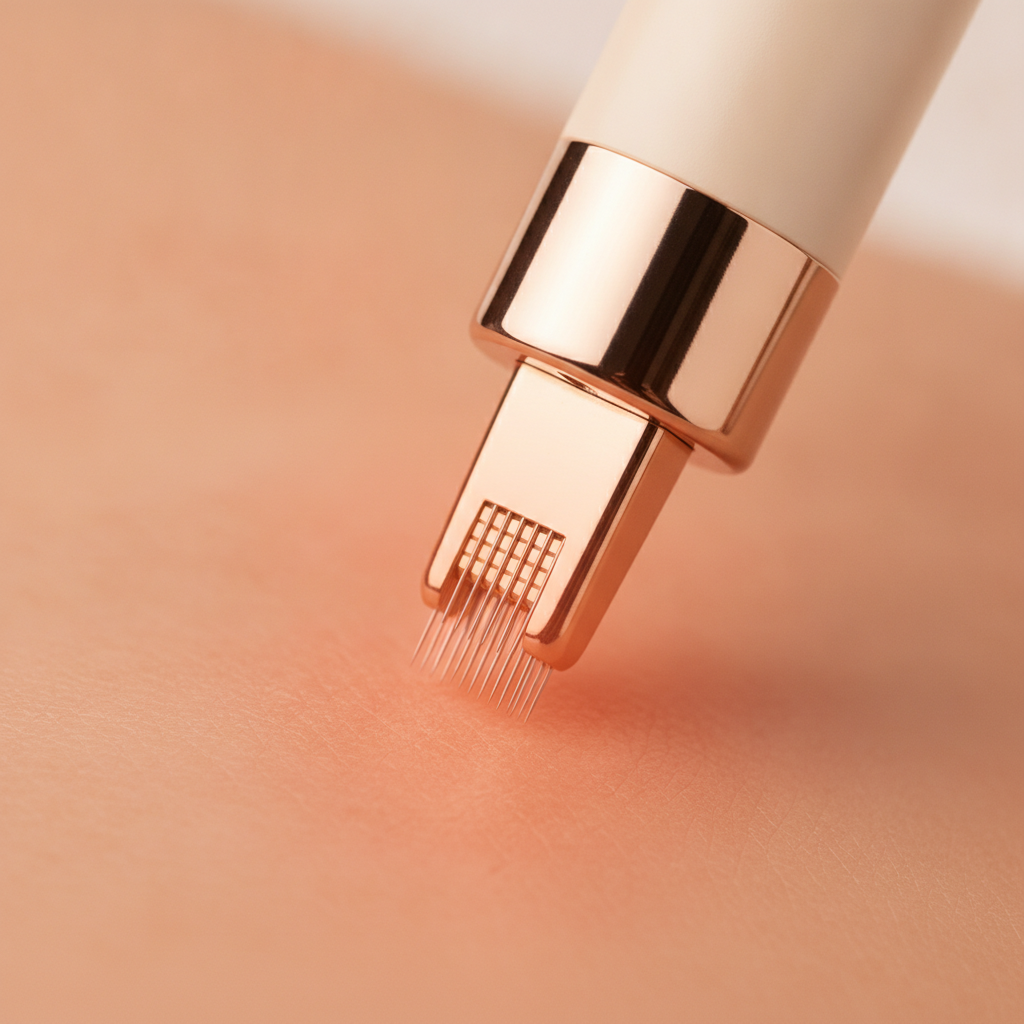
- Microneedle radiofrequency — Potenza, Legato, and Double Tite, which insert fine needles into the dermis and deliver RF heat to work on pores, scars, and firmness together.
- Focal scar treatments — CROSS (a high-concentration agent applied spot by spot for deep, narrow icepick scars) and Subcision (releasing the fibrous bands that tether rolling scars from underneath).
None of these is universally "better." Each is a tool for a specific job.
Matching the treatment to your actual concern
This is the part that saves you money and disappointment. Here's how I think about it in the consultation room.
If your main concern is enlarged pores and rough texture
A fractional picosecond laser or microneedle RF like Potenza tends to fit well, because both stimulate the dermis to refine the pore environment. Potenza is a microneedle RF treatment with minimal pain and little disruption to daily life — it improves acne and pores while boosting firmness. I also often use a collagen-based skin booster such as Juvelook, delivered through MIRAJET or Potenza, to help rebuild texture from within.
If your main concern is depressed acne scars
Here, one device rarely does everything. Deep, narrow icepick scars respond to CROSS, which applies TCA focally to induce regeneration of those pitted spots. Tethered, dish-like rolling scars often need Subcision first, to release the bands pulling the scar base down, before other resurfacing can fill in. Legato uses microneedle RF across four depth settings and has an anti-inflammatory benefit, which makes it useful when active inflammatory acne coexists with scarring.
If your concern is texture plus pigment and dullness
A fractional picosecond laser is a natural fit, because its short pulses reduce thermal damage while addressing pores, scars, and pigment together.
The point is simple: the right resurfacing plan starts with an accurate diagnosis of what kind of texture problem you have — not with a device name you saw online.
Skin tone matters — especially for international patients
If you have a darker skin tone (Fitzpatrick IV–VI), please raise this at the very start of your consultation. Energy-based resurfacing needs to be chosen and dialed in carefully for richer skin tones, because the wrong settings can trigger pigment changes rather than improvement.
This is exactly why REDI is diagnosis-first. We review your skin condition, lifestyle, and goals, then adjust the device, depth, and intensity — or choose a gentler route entirely. My team includes English- and Chinese-speaking interpreters on site, so you can describe your history and concerns precisely, and I personally handle your consultation through to the treatment itself.
Downtime: planning resurfacing around your flight
For patients flying into Seoul, downtime is usually the deciding factor. Here's a realistic calendar based on the treatments we use. Remember these are general ranges — your exact recovery is confirmed after diagnosis, and results vary by individual.
- Day 0 (treatment day): For fractional picosecond laser, Potenza, Legato, or Double Tite, expect some redness and possible mild swelling. Ultra Clear is similar. Gentler needle-free options like MIRAJET have little to no downtime.
- Day 1–3: Redness and swelling from fractional laser and microneedle RF typically settle within about 1–3 days. This is when most people feel comfortable being seen in public again.
- Day 3–5: Focal treatments like CROSS and Subcision can involve crusting or redness for roughly 3–5 days, so build in extra buffer if these are part of your plan.
- Week 1 onward: Surface calms down; collagen-driven improvement continues developing gradually over the following weeks.
My practical advice: if you're combining scar treatments with a short trip, tell us your travel dates up front so we can sequence the plan to fit — and we'll continue your follow-up online after you fly home.
A note on how I choose, from years in the chair
One principle I've learned over thousands of treatments is that the same device delivers very different results depending on who uses it and how. That's true for collagen boosters, and it's just as true for resurfacing. Depth, intensity, spacing, and the decision of when to combine devices are what separate a genuine improvement from a wasted session. This is why I don't hand you a fixed menu — I design the plan around your face after examining it.
How pricing works
Skin resurfacing is an elective, non-insured aesthetic treatment. Rather than quoting a number before I've seen your skin, we discuss pricing transparently at your consultation, once we've agreed on which treatment and how many sessions actually suit your concern. For international patients, we're happy to walk through the plan in your language over WhatsApp before you travel.
Takeaways
- "Skin resurfacing" is a category — laser (fractional pico, Ultra Clear), microneedle RF (Potenza, Legato, Double Tite), and focal scar work (CROSS, Subcision) — not a single treatment.
- The right choice depends on your concern: pores and texture, depressed scars, or pigment and dullness. Diagnosis comes first.
- Darker skin tones (Fitzpatrick IV–VI) need careful device selection; always raise this early.
- Downtime ranges from little to none up to about 3–5 days for focal treatments — plan your trip accordingly.
- Pricing is discussed transparently at consultation, and online aftercare continues once you return home. Results vary by individual.
Frequently asked
What is skin resurfacing, exactly?
Skin resurfacing is a category of treatments that renew the skin's surface and stimulate collagen in the deeper layers to soften pores, acne scars, and rough texture. At REDI this can mean a fractional picosecond laser, a cold-ablative laser like Ultra Clear, or microneedle radiofrequency such as Potenza — chosen after diagnosing your skin. Results vary by individual.
How do I choose the right skin resurfacing option 'near me'?
It depends on your main concern (pores vs. depressed scars vs. pigment), your skin tone, and how much downtime you can take. We diagnose your skin first, then match the device and intensity. There is no single 'best' option — only the one that fits your skin and schedule.
Is skin resurfacing safe for darker skin tones?
Skin tone matters when choosing energy-based resurfacing, because some devices carry more risk of pigment change on Fitzpatrick IV–VI skin. We take this into account at diagnosis and adjust settings or choose gentler options accordingly. Please raise it in your consultation.
How much downtime should I plan if I'm flying in?
It ranges from little to none for gentle lasers up to about 1–3 days of possible redness or swelling for fractional laser and microneedle RF, and 3–5 days for focal treatments like CROSS. Plan your trip around your specific plan, which we confirm at consultation.
How is pricing handled for international patients?
Skin resurfacing is an elective, non-insured aesthetic treatment, and pricing is discussed transparently at your consultation once we've diagnosed your skin and agreed on a plan.
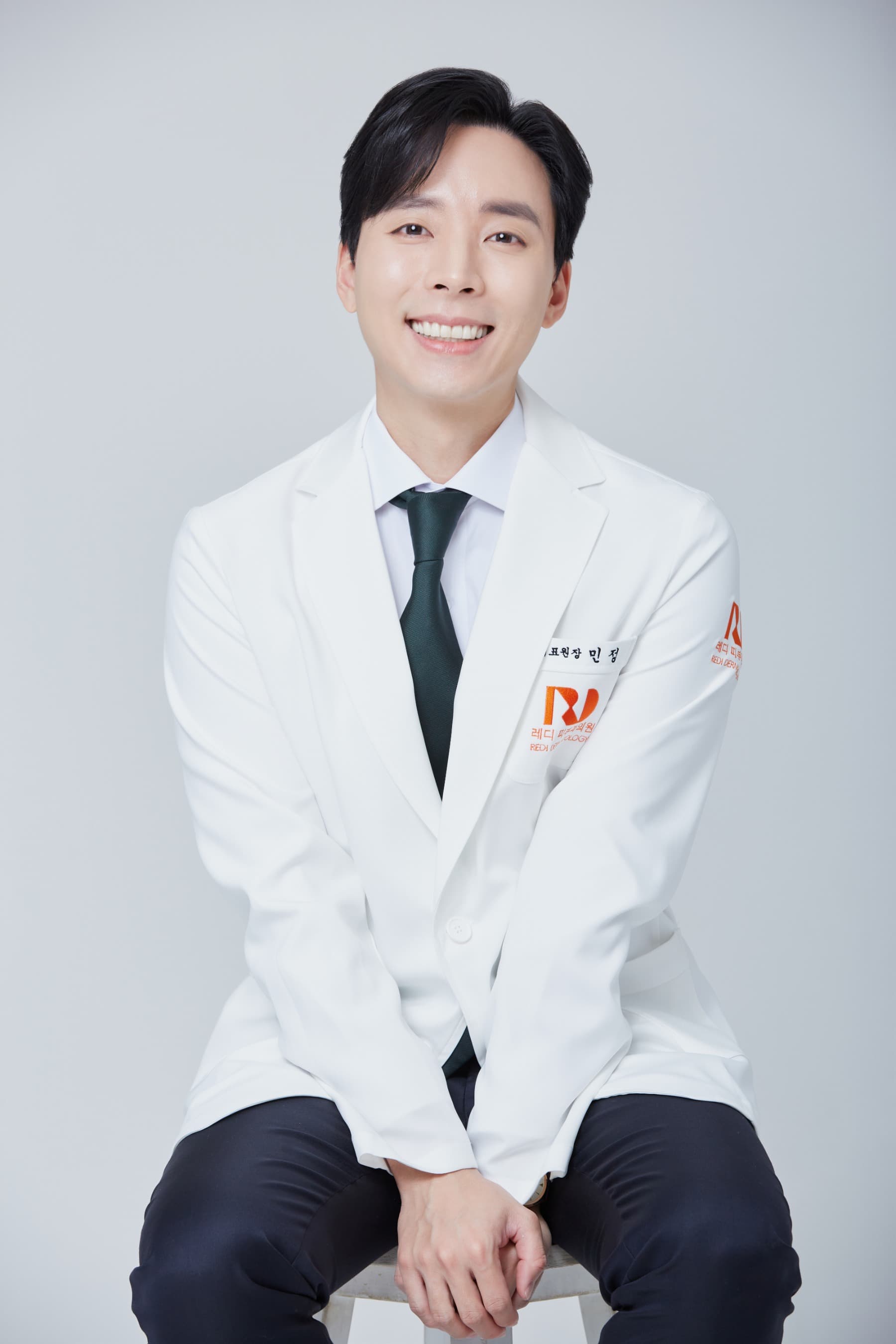
Dr. Min Jeong
Founding director, REDI Dermatology · Seoul
“A treatment isn’t shopping. I’d rather diagnose first and recommend only what your skin genuinely needs — the same way I’d advise my own family.”
Board-certified dermatologist — trained at Kangbuk Samsung Hospital, and former Chief of Dermatology at the ROK Ministry of National Defense.
Recognized by VAIM as Korea's highest-volume Juvelook injector, with 15,000+ vials of hands-on experience; KOL for MIRAJET, Potenza and Oligio.
A regular speaker on clinical dermatology at Korean medical symposiums, including Juvelook clinical-experience panels.
Why international patients choose REDI
What makes the trip easier — and why patients trust us with their skin.
Interpreters in the room, not just on chat
Chinese- and English-speaking interpreters are on site for your consultation and treatment, so you understand every option and decide with full confidence.
Treated by the top 2% of doctors
Every procedure is performed by board-certified dermatology specialists — among the top 2% of Korean physicians — never by unsupervised staff.
A leading Juvelook clinic
With 15,000+ Juvelook vials of hands-on experience, our key doctors have refined the technique most clinics are still learning.
Airport pickup, arranged for you
We can set up a pickup so your very first day in Seoul isn't spent lost with luggage.
Aftercare doesn't end at the airport
We follow up online once you're home, so a question a week later still reaches your doctor.
Explore the treatment
Fractional Picosecond Laser
Without damaging the skin's surface, it creates microscopic channels within the skin to stimulate surrounding collagen regeneration and soften acne scars. MLA and DOE technologies make pore and scar improvement even more effective.
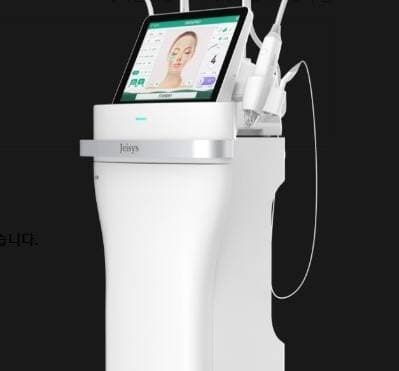
Potenza
Minimal pain with little disruption to daily life. Microneedles are safely inserted into the dermis to deliver radiofrequency heat, improving acne and pores while boosting firmness.
Medically reviewed by Dr. Min Jeong, board-certified dermatologist · Last updated July 8, 2026
This article is general information, not medical advice. Results vary by individual. These are elective, non-insured aesthetic treatments. Please consult a board-certified doctor about your own case.